Smart online shopping is not about finding one great deal. It is about building habits and using tools that consistently save you money across every purchase you make. This guide covers the full process, from researching products to timing your purchase to making sure you actually got the best price available.
Phase 1: Research Before You Buy
The biggest money-wasting mistake in online shopping is buying the first option you find. Fifteen minutes of research before a purchase can save you far more than an hour of searching for coupon codes at checkout.
Understand What You Actually Need
Before searching for products, define your requirements. What features are essential? What is your budget ceiling? What would be nice to have but is not critical? Writing this down, even briefly, prevents you from being upsold on features you do not need.
For electronics especially, last year's model often offers 90% of the performance at 50-70% of the price. Unless you specifically need the latest generation, consider tracking the price of the previous version instead.
Read Reviews Strategically
Do not just look at the star rating. Read the three-star reviews first, as they tend to be the most balanced and honest. Look for recurring complaints rather than one-off issues. A single bad review could be an outlier, but if twenty people mention the same problem, take it seriously.
Check reviews across multiple platforms. A product with glowing reviews on one site and poor reviews on another is a red flag, as it may indicate manipulated ratings.
Compare Specifications, Not Just Prices
The cheapest option is not always the best value. Compare specifications side by side. A $30 item that lasts three years costs less per year than a $15 item that breaks after six months. Factor in warranty coverage, return policies, and the reputation of the seller.
Phase 2: Find the Best Price
Once you know exactly what you want, it is time to find the best price. This is where tools and strategy make a measurable difference.
Track Prices Across Multiple Stores
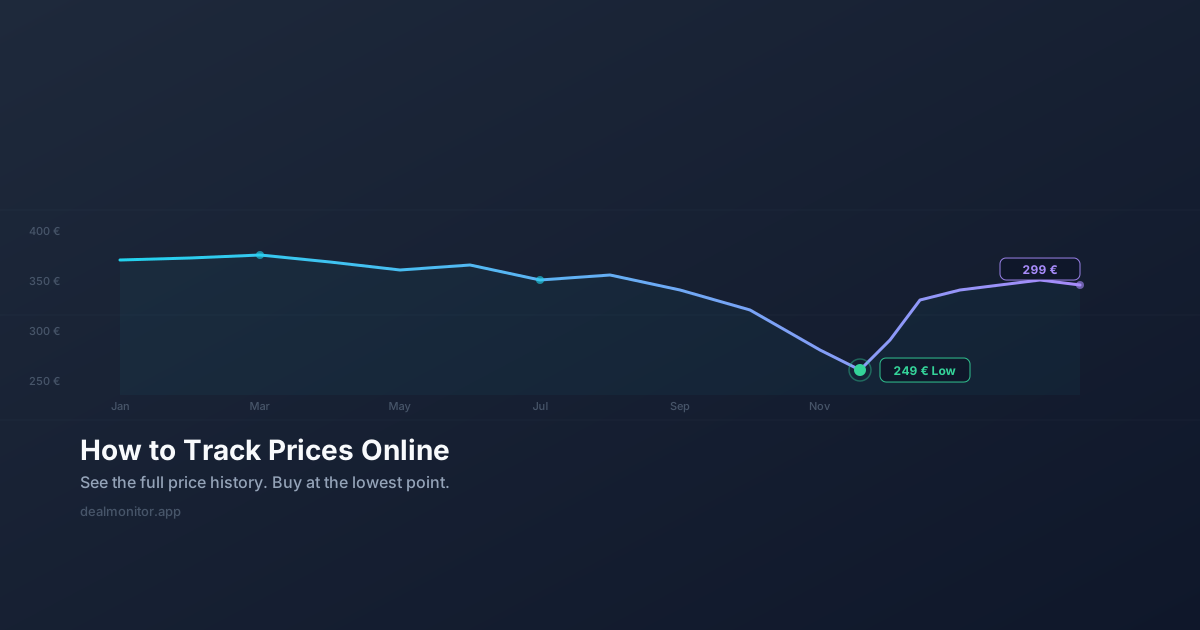
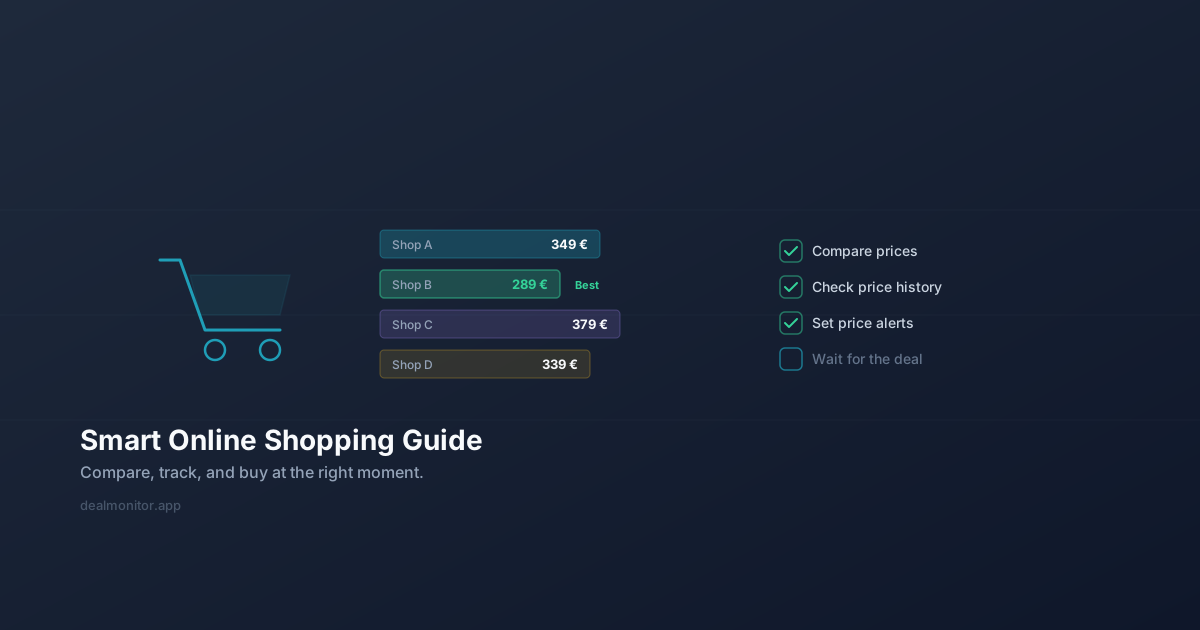
The same product is frequently priced differently across retailers. Price differences of 10-30% for identical items are common. Use a price tracking tool like DealMonitor to monitor the product across every store that carries it. The browser extension makes this effortless: visit each store's product page, click the extension, and set your target price. For a detailed walkthrough, read our guide on how to track prices online.
Set Intelligent Price Alerts
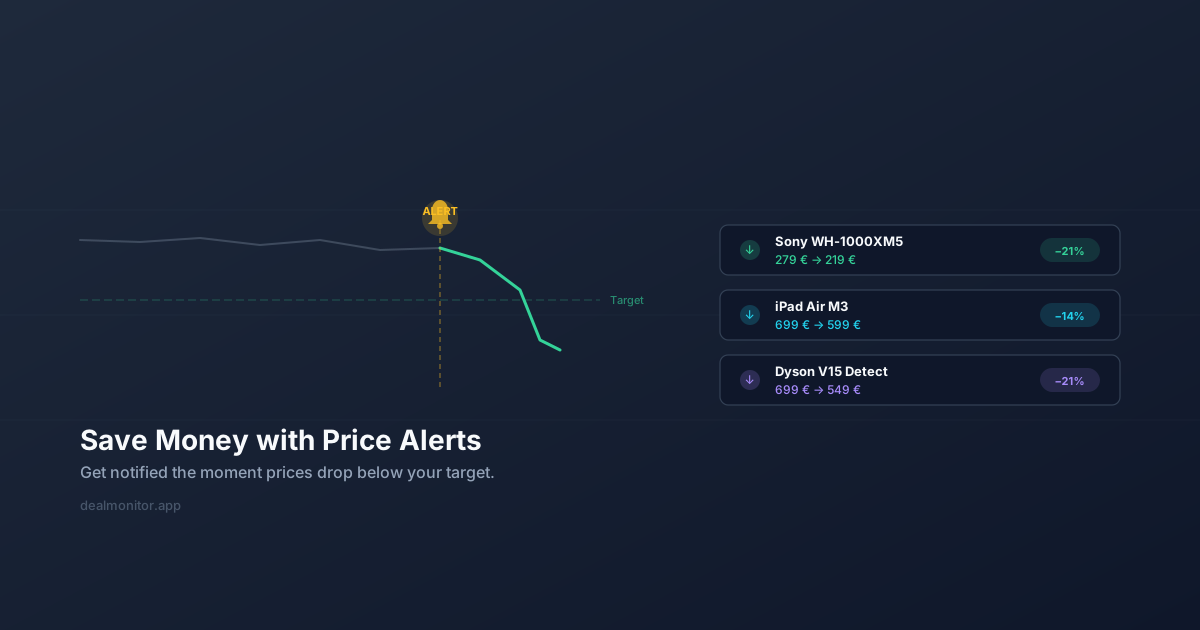
Rather than checking prices manually, let alerts do the work. Set a target price based on the product's historical pricing, not just an arbitrary number you would like to pay. This approach is covered in depth in our article on saving money with price alerts.
The key insight is that patience pays. If you are not in a rush, setting an aggressive target price and waiting for a sale event will almost always get you a better deal than buying at today's price.
Factor in Total Cost
The sticker price is not the whole story. Before comparing prices, account for:
- Shipping costs - Free shipping thresholds can make a slightly more expensive store the better deal overall.
- Taxes - These vary by retailer and location. The final checkout price is what matters.
- Return shipping - If there is any chance you might return the item, check the return policy. Free returns have real value.
- Warranty - Some retailers include extended warranties or better customer service. This is worth paying a small premium for on expensive items.
Phase 3: Time Your Purchase
When you buy matters almost as much as where you buy. Timing your purchase around predictable sales cycles can yield dramatic savings.
Seasonal Patterns
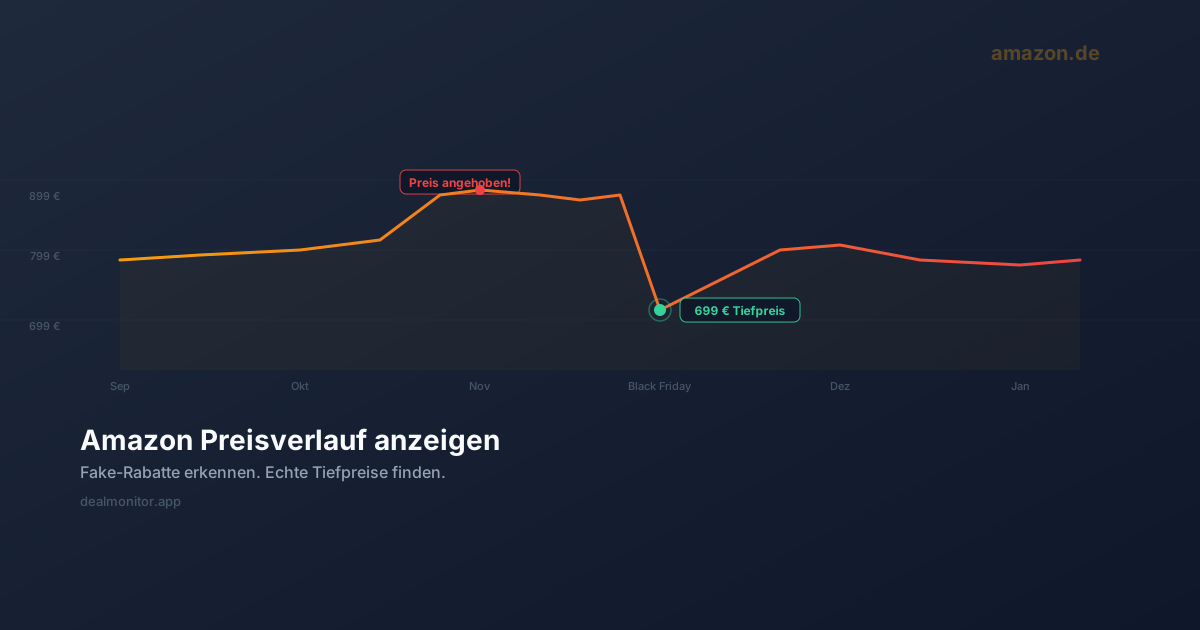
Most product categories follow annual pricing cycles. Electronics drop during Black Friday, summer apparel goes on clearance in August, and fitness equipment dips after the January gym rush fades in February. Understanding these cycles lets you plan purchases months in advance.
Day-of-Week and Time-of-Day Effects
Some retailers adjust prices throughout the week. Research suggests that midweek shopping, particularly Tuesday through Thursday, can yield slightly lower prices on some platforms. While the differences are small, they add up if you shop frequently.
New Model Releases
When a new version of a product launches, the previous generation almost always drops in price. If you are tracking a specific product, watch for announcements of its successor. The price drop on the older model often happens within days of the new model's launch.
Phase 4: Optimize the Checkout Process
You have found the right product at the right price at the right time. Now make sure you are not leaving money on the table at checkout.
Search for Coupon Codes
Spend two minutes searching for coupon codes before completing your purchase. Check the retailer's own promotions page first, then try coupon aggregator sites. Even a 5% code on a $200 purchase saves you $10 for two minutes of effort.
Use Cashback Programs
Cashback portals and credit card rewards are essentially free money. If a cashback portal offers 3% back at a retailer and your credit card gives 2% back on online purchases, you are saving 5% on every order without doing anything differently.
Check for Student, Military, or Employee Discounts
Many retailers offer standing discounts for specific groups. These are often stackable with sales prices but rarely advertised prominently. It is always worth checking before you buy.
Abandon Your Cart Strategically
Adding items to your cart and then leaving the site without purchasing can trigger abandonment emails with discount codes. This does not work with every retailer, but it is a well-known tactic that frequently yields 5-15% off codes within 24-48 hours.
Phase 5: After the Purchase
Smart shopping does not end at checkout. A few post-purchase habits can save you even more.
Track Post-Purchase Price Drops
Some retailers offer price adjustment policies. If the price drops within a certain window after your purchase, typically 14-30 days, they will refund the difference. Keep your price alerts active after buying, and if the price drops, contact customer service for an adjustment.
Leave Honest Reviews
The review ecosystem works best when real buyers share their experiences. A quick review helps other shoppers make informed decisions and contributes to a healthier marketplace overall.
Evaluate Your Purchase
After using the product for a few weeks, reflect on whether it met your needs. Did you use the premium features you paid extra for? Would a cheaper alternative have sufficed? This self-awareness improves your future purchasing decisions.
Tools That Make Smart Shopping Easier
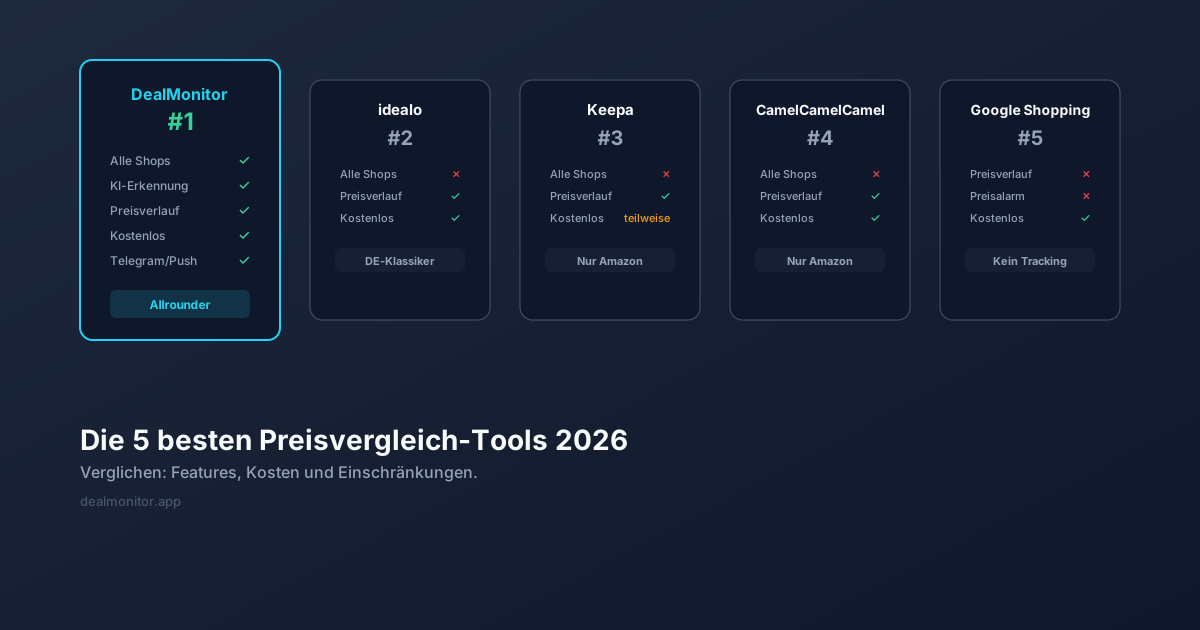
The strategies above work best when supported by the right tools. DealMonitor brings several of these together in one platform:
- Browser extension - Track any product from any store with one click.
- AI-powered price detection - Accurate prices from virtually any website, powered by machine learning.
- Price history - See how prices have changed over time to set smarter targets.
- Multi-channel alerts - Get notified by email, Telegram, or push notification the moment a price drops.
- Centralized dashboard - Manage all your tracked products in one place from the web app.
The best approach to online shopping is systematic: research thoroughly, track prices patiently, time your purchases strategically, and optimize at checkout. Each step saves a small amount individually, but together they compound into significant savings over the course of a year. Start with DealMonitor and build your smarter shopping habit today.