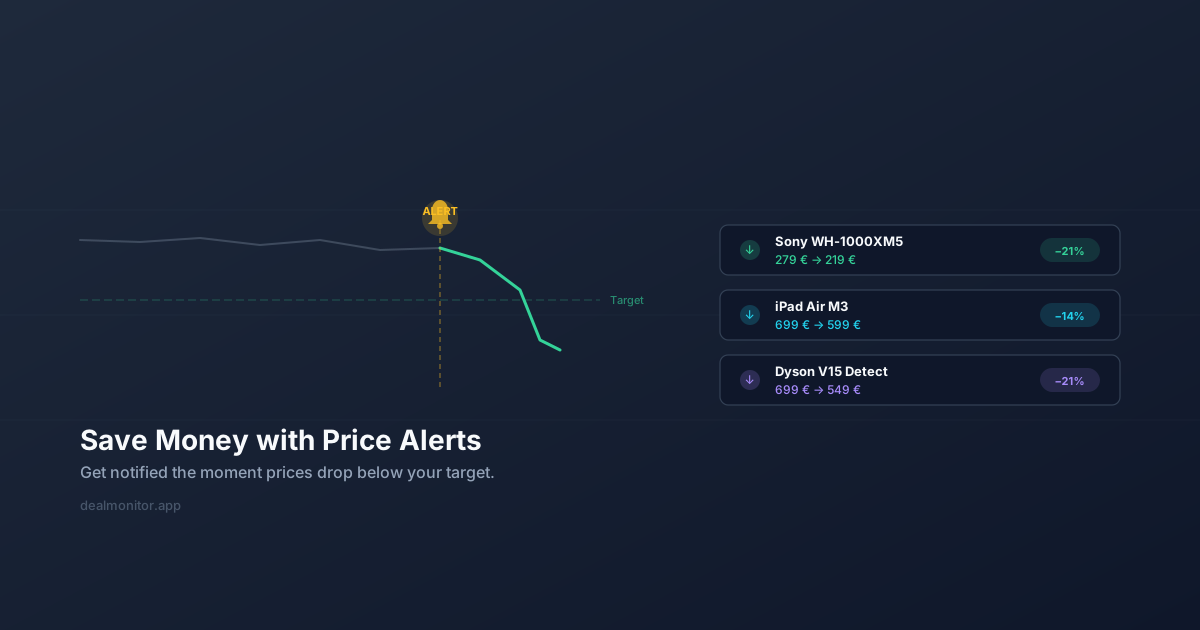
Price alerts are one of the most underused tools in a smart shopper's arsenal. Setting up an alert takes seconds, but the savings can add up to hundreds or even thousands of dollars per year. The key is knowing how to use them strategically. Here are five proven ways to turn price alerts into real money saved.
1. Set Target Prices Based on Price History
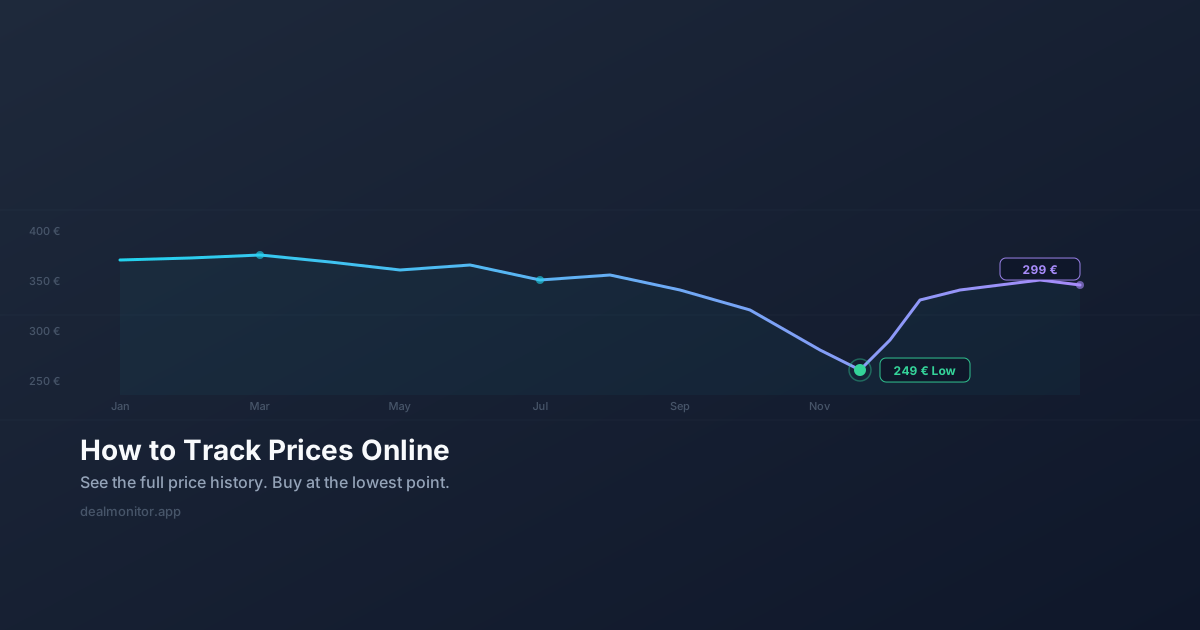
The single biggest mistake people make with price alerts is guessing their target price. If you set it too high, you get alerted for insignificant drops. Too low, and the alert never fires. The solution is to research the product's price history before committing.
How to Find the Right Target Price
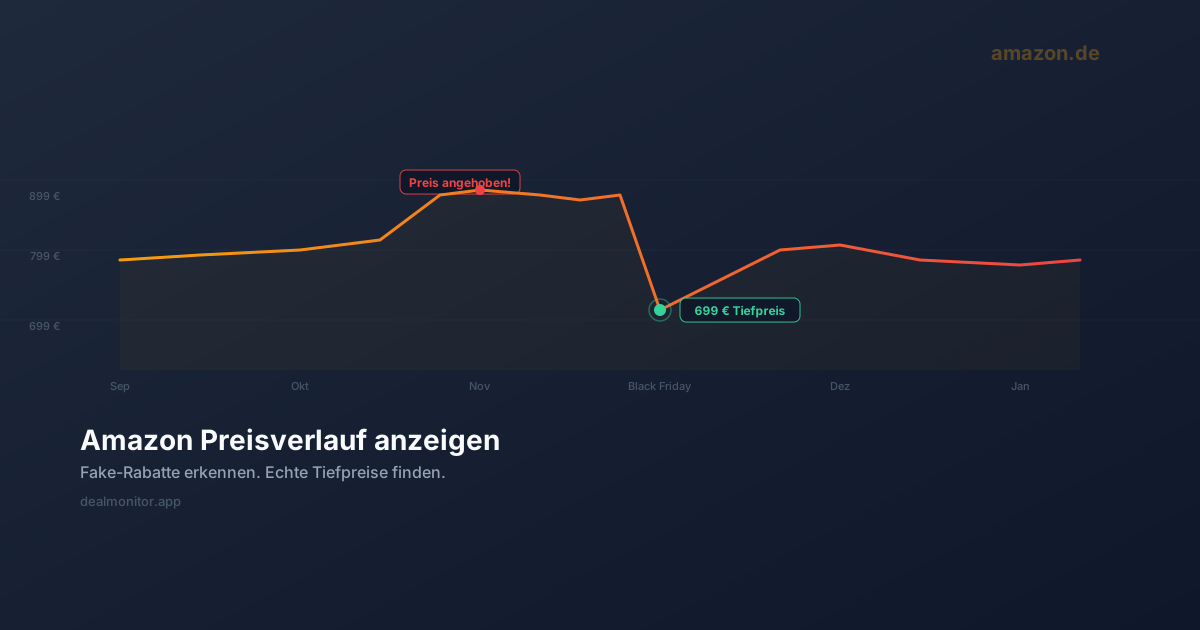
When you track a product's price over time, patterns emerge. Most products have a floor price, which is the lowest point they typically reach during sales events. Your target price should be at or slightly above this floor.
For electronics, prices tend to drop 15-30% during major sales events like Black Friday or Prime Day. For clothing, end-of-season clearances can cut prices by 50-70%. For home goods, look for drops of 20-40% during holiday weekends.
With DealMonitor, you can see a product's complete price history in the dashboard, making it easy to set a target that is both ambitious and achievable.
The 10% Rule for Everyday Items
If you do not have historical data, start with a target 10% below the current price. For items over $200, consider targeting 15-20%. This approach catches meaningful discounts without being so aggressive that you miss every sale.
2. Time Your Purchases Around Seasonal Sales
Retailers follow predictable seasonal patterns. By setting up price alerts weeks before these events, you position yourself to grab deals the moment they go live, before popular items sell out.
The Annual Sales Calendar
- January - Winter clearance on clothing, holiday decor, and fitness equipment.
- February/March - Winter apparel closeouts, pre-spring home improvement deals.
- May/June - Memorial Day and early summer sales on appliances, mattresses, and outdoor furniture.
- July - Prime Day and competing mid-summer sales across most categories.
- September/October - Back-to-school clearance, early Black Friday previews on electronics.
- November - Black Friday and Cyber Monday, the deepest discounts of the year on electronics and tech.
- December - Post-Christmas and year-end clearances.
Set your price alerts four to six weeks before these windows. When retailers start rolling out early deals, you will be the first to know.
3. Stack Alerts Across Multiple Stores
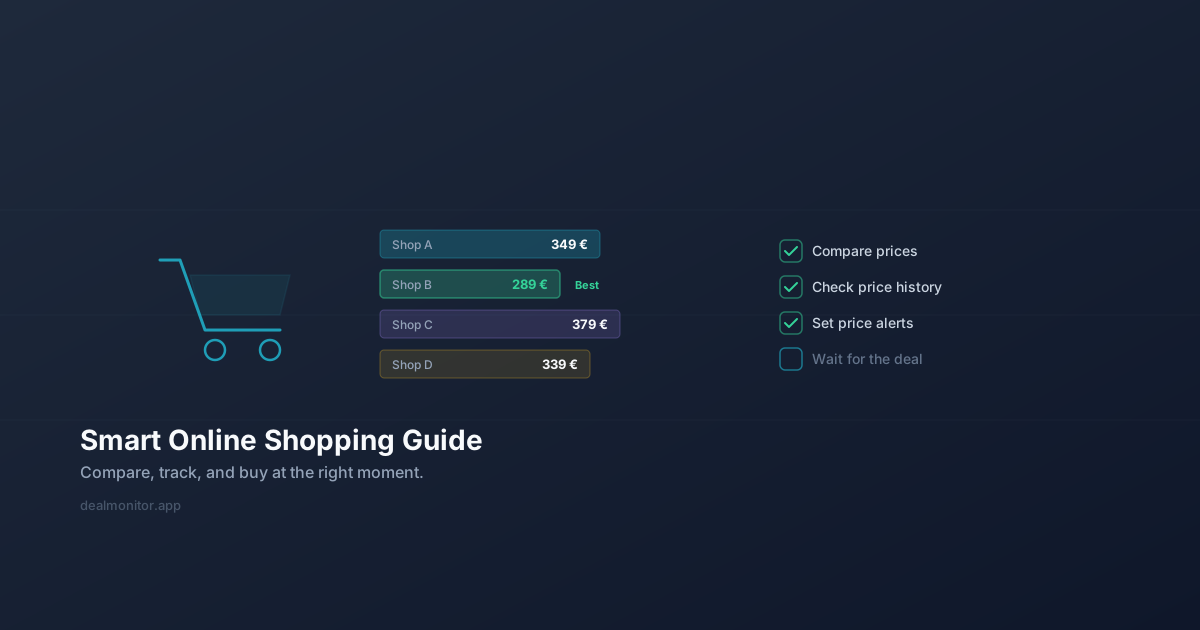
The same product is often sold by multiple retailers at different prices. By tracking the same item across several stores, you dramatically increase your chances of catching the lowest possible price.
Why Multi-Store Tracking Works
Retailers do not coordinate their sales. One store might discount a product on Monday while another waits until Thursday. One might offer a deeper cut but for a shorter window. By watching the product everywhere it is sold, you catch whichever retailer offers the best deal first.
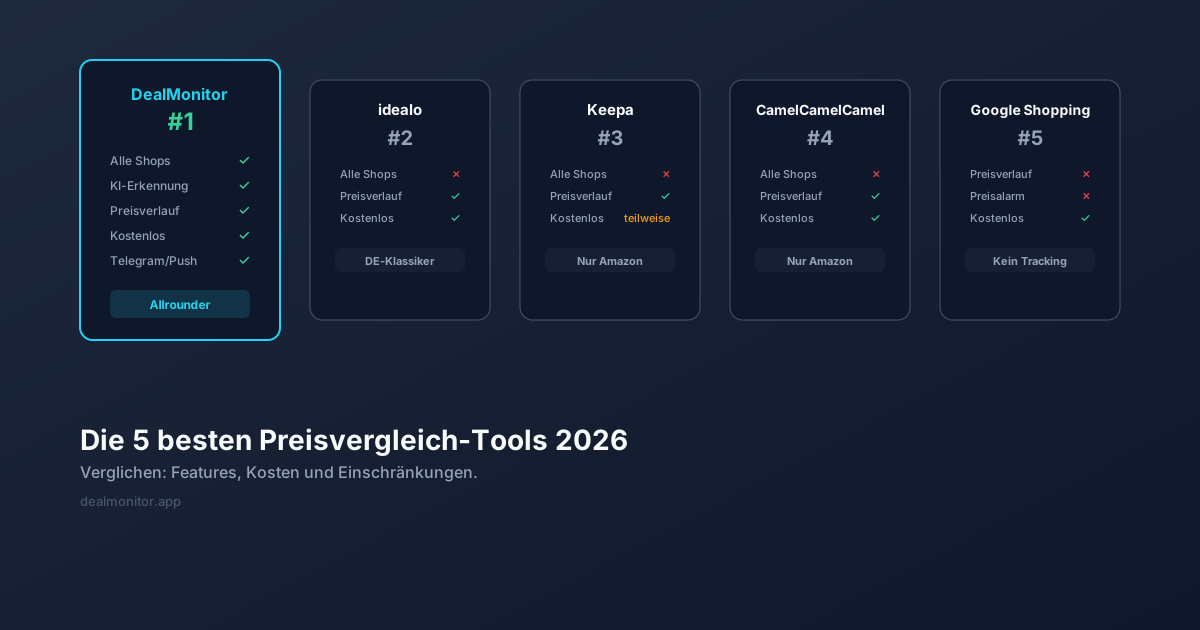
DealMonitor's browser extension works on virtually any online store, so you are not limited to a handful of supported retailers. Visit the product page on each store, click the extension, set your target price, and the AI-powered price detection handles the rest.
Price Match Opportunities
Many retailers offer price matching. Even if your preferred store is not the one with the lowest price, an alert from a competitor can be the leverage you need to get the same deal elsewhere. Some stores will match prices from their own website if the online price drops below the in-store price.
4. Use Alerts for Wish List Items You Do Not Need Immediately
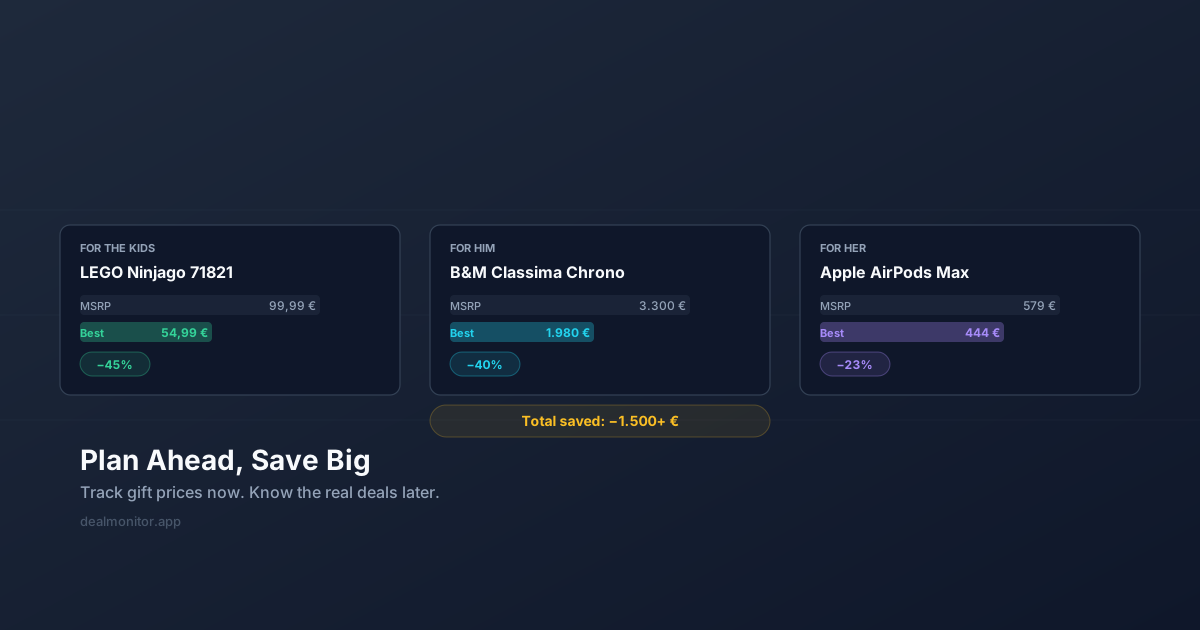
Not every purchase is urgent. For items on your wish list, things you want but do not need right now, price alerts are the perfect patience tool. Set an aggressive target price and simply wait.
The Patience Payoff
When there is no deadline, you can afford to set a lower target price and wait for a significant drop. A coffee machine you want but do not need urgently? Set the alert 30% below current price and forget about it. When the alert eventually fires, whether that is in two weeks or three months, you will feel great about the savings.
This approach also fights impulse buying. Instead of purchasing something the moment you see it, add it to your DealMonitor dashboard with a target price. If the product is still on your mind when the alert arrives, buy it. If you have forgotten about it, you probably did not need it in the first place.
Building a Long-Term Wish List
Keep a running list of items you would buy at the right price. Electronics you want to upgrade, kitchen gadgets that caught your eye, books on your reading list. Set alerts for all of them. Over the course of a year, you will be surprised how many trigger at your target price.
5. Combine Price Alerts with Coupon Codes and Cashback
A price alert tells you when the base price drops. But that is not the end of the savings stack. Combining a price drop with a coupon code, cashback offer, or credit card reward can turn a good deal into an exceptional one.
The Savings Stack
Here is how a savings stack works in practice:
- Base price: $150 (down from $200, triggered your price alert)
- Coupon code: 10% off ($15 saved)
- Cashback portal: 5% back ($6.75 earned)
- Credit card reward: 2% back ($2.70 earned)
- Final effective price: $125.55 (37% total savings)
The price alert is your foundation. It tells you the right moment to start stacking additional discounts on top.
Where to Find Additional Discounts
When your price alert fires, take five minutes before checking out to search for coupon codes on aggregator sites, check if the retailer is listed on your cashback portal, and verify whether your credit card offers bonus rewards for that category. These small steps can add up to significant extra savings.
Getting Started Today
Price alerts work best when you start early. The sooner you set them up, the sooner you start catching deals. Head over to DealMonitor, install the browser extension, and start tracking the products you have been eyeing. For a deeper dive into price tracking methods, check out our complete guide to tracking prices online, or read about how to approach online shopping strategically in our smart online shopping guide.